

Somatic Symptom Disorder (SSD), Medically Unexplained Symptoms (MUS), and Functional Neurological Disorder (FND) remain some of the most challenging conditions in clinical practice. Their symptoms are often distressing, persistent, and frequently resistant to standard medical approaches. Growing evidence shows that clinical hypnosis, including symptom-focused suggestions, gut-directed hypnotherapy, and hypnotic techniques that support relearning in FND, can help reduce symptom intensity and improve overall functioning.

When people speak about their beliefs, they often refer to them as if they were solid objects: unchanging, firm, and self-evident truths about the world. “I believe I’m not good enough,” “I believe people can’t be trusted,” or “I believe kindness matters.” Yet, these beliefs are not fixed structures imposed on the mind from the outside. They are, instead, constructed realities, shaped by subtle psychological processes.

In the twenty-first century, the human brain is exposed to levels of stimulation unparalleled in evolutionary history. The daily flood of notifications, messages, and data streams exerts a constant pull on attention and cognition. Neuroscience demonstrates that the brain adapts through neuroplastic mechanisms, and over time, these adaptations may alter not only individual functioning but also the long-term trajectory of human evolution.
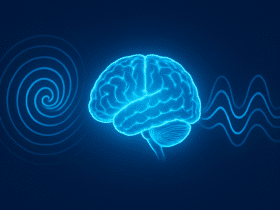
Let's talk about hypnosis. You have probably seen it in a movie, or perhaps even witnessed someone doing it in person. But what's the deal with it, really?

When a child navigates differing rules at home, at school, and in wider settings, behaviour can appear inconsistent. Often this reflects adaptation to context rather than defiance. Chronic exposure to bullying and environmental mismatch may be associated with PTSD (or C‑PTSD) features and, for some children, with compulsive coping strategies. This article outlines mechanisms, flags, and practical next steps for families, schools, and clinicians.

Professional frameworks provide structured guidelines for effective decision-making, consistency, and efficient practice across healthcare, psychology, education, and business disciplines. Stability within these frameworks ensures predictability, safety, and confidence. However, as knowledge evolves, professionals must cultivate cognitive flexibility—adapting thought patterns and incorporating new insights without abandoning foundational knowledge. This article explores cognitive flexibility, its relationship with established professional frameworks, and methods professionals can use to balance stability and adaptability effectively.

Psychodynamic Cognitive Mindfulness-Based Hypnotherapy (PCMBH) is an integrative therapeutic approach combining psychodynamic therapy, cognitive-behavioural therapy (CBT), mindfulness practices, and hypnotherapy. This approach addresses conscious and unconscious processes, promoting self-awareness, emotional regulation, and behavioural change. PCMBH provides a structured yet flexible framework that supports lifelong personal development.

Language is more than a means of communication—it also impacts perception, thought, and even body function. Let’s take a close-up of language’s basic structure, just like DNA has the blueprint of biological existence.

Memory is one of the brain's most essential cognitive functions. A person can retain and recall information received through the senses. Likewise, memory enhancement refers to improving the ability to maintain and recall information. Memory enhancement is a dream at every age. Students try to explore various ways and remedies to improve their memory, and older people strive to preserve it.