
Generalised anxiety disorder (GAD) aggregates within families, yet the language of “inheritance” can obscure the complex pathways through which anxiety vulnerability is transmitted. Genetic factors contribute to liability, but psychological transmission also occurs through threat modelling,

Everyday forgetting is often described as a memory problem, although many lapses may arise before the integrity of stored information is tested. Attention can be captured by uncertainty, interpersonal tension, or anticipated disruption, leaving fewer cognitive resources available for encoding, maintaining intentions, and retrieving information.

The human mind possesses an extraordinary capacity for adaptation, enabling individuals to modify their thoughts, emotions, and behaviours in response to changing internal and external demands. This adaptive ability, known as cognitive flexibility, is increasingly recognised as a fundamental component of psychological resilience and emotional well-being.

Media environments can influence how individuals interpret social norms, acceptable behaviour, harm, responsibility, and interpersonal meaning. This influence is not uniform and should not be understood as a direct or deterministic effect. Rather, media effects may depend on individual, developmental, social, emotional, and contextual factors. Psychological vulnerability may alter how media is received by affecting attention, emotional regulation, reflective distance, threat perception, and social interpretation.

Artificial intelligence (AI) offers significant opportunities to enhance clinical hypnotherapy, including personalised hypnotic scripts, bio signal-informed monitoring, and between-session conversational support. Turning that promise into safe, effective practice requires rigorous methodological frameworks that address study design, data governance, human-in-the-loop safeguards, evaluation metrics, and ethical and regulatory considerations. This article outlines practical, clinician-focused frameworks to help practitioners and researchers develop, assess, and responsibly implement AI-enabled tools within hypnotherapeutic care.

Somatic Symptom Disorder (SSD), Medically Unexplained Symptoms (MUS), and Functional Neurological Disorder (FND) remain some of the most challenging conditions in clinical practice. Their symptoms are often distressing, persistent, and frequently resistant to standard medical approaches. Growing evidence shows that clinical hypnosis, including symptom-focused suggestions, gut-directed hypnotherapy, and hypnotic techniques that support relearning in FND, can help reduce symptom intensity and improve overall functioning.

When people speak about their beliefs, they often refer to them as if they were solid objects: unchanging, firm, and self-evident truths about the world. “I believe I’m not good enough,” “I believe people can’t be trusted,” or “I believe kindness matters.” Yet, these beliefs are not fixed structures imposed on the mind from the outside. They are, instead, constructed realities, shaped by subtle psychological processes.

In the twenty-first century, the human brain is exposed to levels of stimulation unparalleled in evolutionary history. The daily flood of notifications, messages, and data streams exerts a constant pull on attention and cognition. Neuroscience demonstrates that the brain adapts through neuroplastic mechanisms, and over time, these adaptations may alter not only individual functioning but also the long-term trajectory of human evolution.
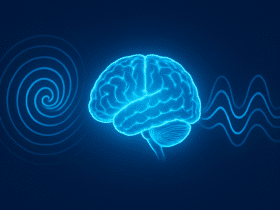
Let's talk about hypnosis. You have probably seen it in a movie, or perhaps even witnessed someone doing it in person. But what's the deal with it, really?