
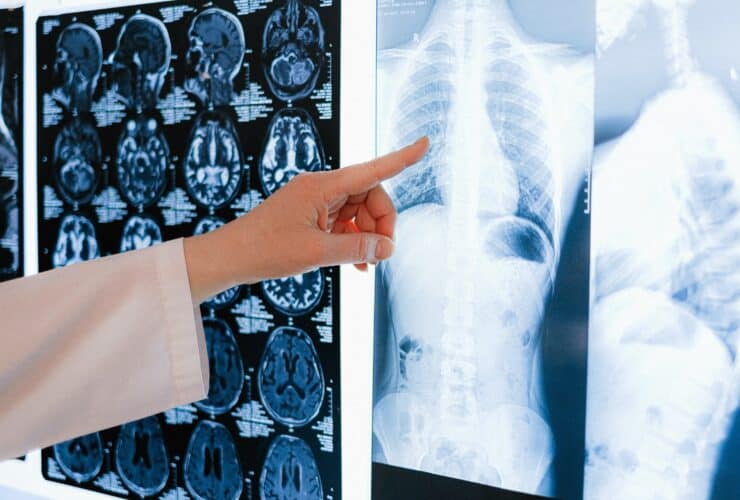
In this article, I will discuss the relationship between psychoneuroimmunology and hypnotherapy. First, without addressing this relationship, let us start our article by defining psychoneuroimmunology. Although Solomon first coined the term psychoimmunology in 1964, it is noteworthy that there was very little human research in this field until the 1980s (Kiecolt-Glaser et al., 2002).

Dr Rajitha, a locum consultant Psychiatrist for the NHS (National Health Service, UK) since 2004, talks to Hypnosis Plus. Dr Rajitha is based in Scotland and has been practising for the NHS for eight years. The multi-lingual therapist has experience in working in international clinical settings for 18 years and has been educated and practised in many countries including South and East Asia. Dr Rajitha was known to be innovative as a junior doctor which led him to an interest in Hypnotherapy. Applying hypnotherapy was not widely recognised amongst the doctors, hence, as Dr Rajitha describes, "I was known to do odd things". It is then Dr Rajitha discovered the effectiveness of clinical hypnotherapy and took an interest in its scientific basics.

The risen increase in reported crime has forced investigators and police officers to find new ways of solving crime. One of these methods is hypnosis. Police officers in the state of Texas, USA, have explored the hypnosis route in their criminal investigations.
Hypnosis, which has been used for centuries in different forms, has to be re-evaluated in the light of modern medicine and science by biological, psychological, sociological and spiritual approaches. Hypnosis has been regaining its popularity in the trend of personalized and holistic medicine without any drug, injection or side effects.
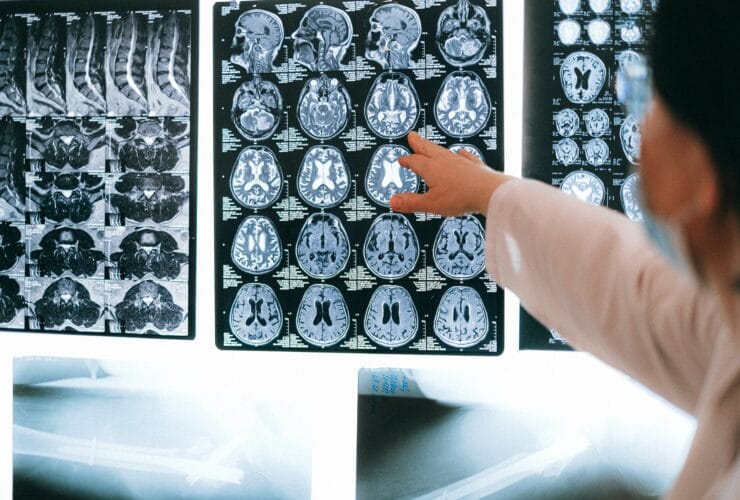
It is the use of direct electrical currents to stimulate specific areas in the brain. The process is painless and does not need any surgery. The electrodes are placed on the head, and the low-frequency current is passed to change the neuronal activity (Elsner et al., 2017).
“Hypnotherapy must be doing something right because it keeps coming back into the medical field. My message to the drug companies is if you invest, we shall do the research on hypnotherapy for you, and eventually, it will bring the profit to you,”

Hypnosis is an altered and yet natural state of the conscious mind that can be naturally used for therapeutic purposes with the option to amend unwanted habits and behaviours. Hypnosis is a type of psychotherapy. It is generally described as an altered state of the conscious mind. However, hypnosis is a phenomenon that is still being studied.
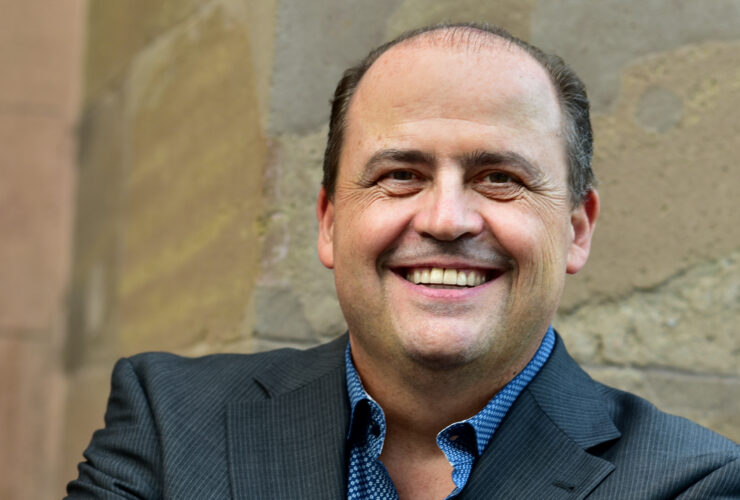
From 11 to 13 June, the Dave Elman Legacy Global Zoom Conference will take place with many ground-breaking topics and illustrious speakers - including Hansruedi Wipf, OMNI Instructor, Owner & President of Hypnose.NET GmbH. As the official successor of Gerald F. Kein, probably the most renowned disciple of Dave Elman, Hansruedi Wipf will give an insight into the legacy of the great masters of hypnosis. In an interview, Hansruedi Wipf talks about the legacy he inherited from Gerald F. Kein and how he developed it further.

The unconscious is a state that happens automatically, and the thoughts and decisions of the unconscious are not available for introspection. A cenote of thoughts, feelings, memories, and desires that live outside of our conscious mind is known as the unconscious mind. We are unaware of these feelings, desires, and memories in the functional state of the mind that we use to cope with our daily chores, relationships, and society.